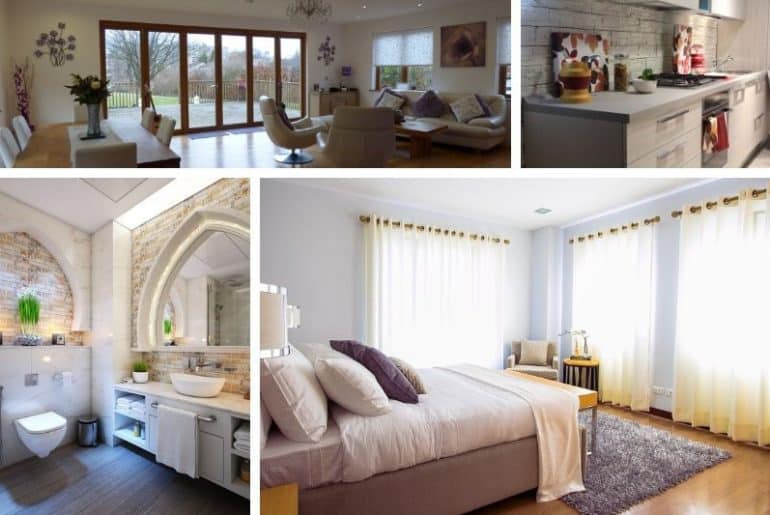
10 Useful tips in beautifying your small studio apartment

Tired of the old look of your apartment? Well, there are many ways to make a small apartment blossom. All you have to do is do some digging and find the right thing which will suit your place. Though small apartments have space issues, if you utilize everything in the right way decorating your apartment can turn into a fun activity and build something useful yet pretty! Here are a few tips which you can apply when you plan to create your little space even more pretty and beautiful.

  1. Start by defining different areas of your house

There is a possibility that you have a living room, a kitchen clubbed all together. By separating each area with the other, you create more space and the house looks different! You won’t feel that this is one entire portion. A bookshelf or a high rack can separate two different areas well and if not racks then you can add a dining table or some curtains also.

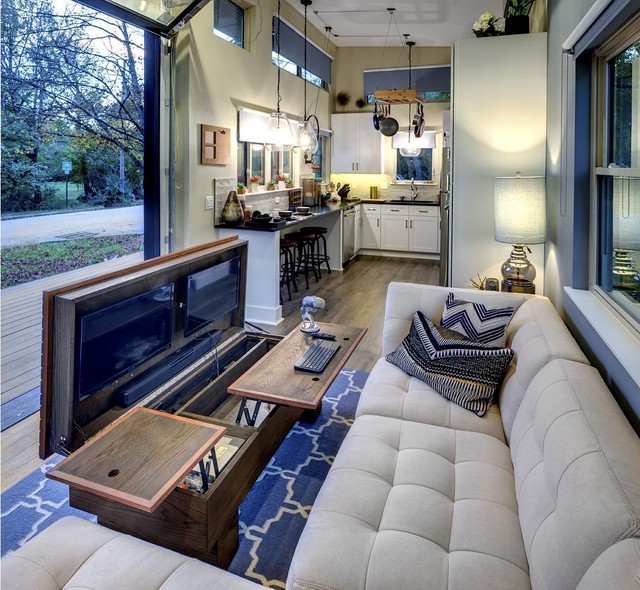
  • Multiple-use furniture

This kind of furniture is one of the most trending items on today’s date. People love to have those things in their house which serve not just one purpose but more. Tables that can serve as an iron table as well as a dining table, Stools which can be used for sitting and can easily be clubbed into a small cubical to save space, a sofa which can also serve as a bed.

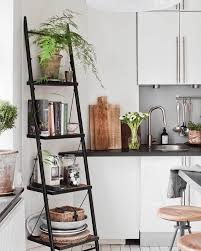
  • Choose vertical storage ideas

Choosing to switch to vertical storage than horizontal can help you in two ways, it looks good and more spacious. You will find a lot of space empty when you choose to go vertical and the best part about it is that you won’t even compromise with storage. Vertical storage items can in fact help you gather more storage.

  • Old junk makes the best decoratives

If you are willing to empty your pockets on decorative items, then we want you to know that you already have a lot of them. Old items which are not of any use like old CD’S, jewellery, books, and even furniture can turn into great decorative items. Search for the best DIYs and you will know what wonders you can create.

  • Stay well organized

The organization is the key to success! No one likes a messy house after all. Just make sure that everything is placed after use and most importantly everything has a place of its own. If you do not define your things, then obviously it won’t look pretty and decent. Make sure to keep everything organized and well maintained. Cleaning the dust from your house regularly will also serve as a factor here.

6. Make every space count

When you have a small studio and want to make it pretty and elegant, you have to make sure that you utilize every bit of the space very efficiently. Our main goal is to give the room a beautiful look as well as make it look spacious. We do not have to make the space overcrowded but useful in the best way possible. If you have a fireplace and find it of no use, you can think of an innovative way to decorate it well or even use it for storage! So, start thinking about which corner of your house needs a makeover.

7.  Keep an eye on the color palette

Color combinations and schemes matter a lot when you are trying to bring everything in harmony. Make sure to utilize colors that are complementary with one another especially when you have an open space apartment. You can always go with one family color and follow the shades or go along with colors that are matching with the main shade you choose. Avoid using dark shades in small spaces, as it will make your space even smaller. Using shades that are light can make your room look big and spacious.

8. Put those beautiful coffee tables to use

Coffee tables can be used for a lot more than you think. Those big coffee tables can be used in the living room and also as a bookshelf! Didn’t get it? The best way you can utilize the coffee tables is by piling up the books on it and keeping it aside with your couch or use it as a pretty table for bedside purpose. The best way to use things efficiently is to put everything to work and avoid buying extra clutter which will be useless once you shift to a different place.

9. Use of carpets to define zones

The best way to define zones and make it look different from the other is by using a beautiful carpet or even two to double up! Carpet double can be so much fun, right? Just start with a basic colored carpet and then top it up with some stylish and sturdy smaller carpet. These can be animal print, furry, or even something more classy. You can always use two color combinations to define the space in a better way.

10. The use of mirrors can be very much decorative right?

If you are wondering that you have no space to fit in things in the studio, then we have got you covered. Using mirrors as a decorative item can be one of the best ways to sort things out. There can be pretty DIYs used and also if you wish to buy them, the choice is yours. If you think that you wish to decorate your walls and that art can be difficult to choose upon, then this is something which will help you anyway! You can create a painted frame for your mirror, can rope it up to make it look exquisite, the choice is yours.

In short, a small apartment needs to be simple yet pretty. Keeping things organized and clean will help you the most. You can add a few details and decorations to make it look perfect. Adding a few lighting items will not only illuminate your house but also make it look exquisite.

About the Author: Natasha Blackford is a content writing specialist who writes articles for SpeedHome and also a food blogger who is trying different things and sharing her recipes through youtube.

5 Smart Tips to Renovate Your House and Make it More Expensive

If you are trying to sell a house and make the most of it, you better make sure to turn your property into a super-attractive home. Let us be straight about it and tell you that it’s not an easy job – at least not in most cases – but it definitely pays off to renovate your house and make it more expensive.

You’ve probably brainstormed hundreds of possibilities, but do you know the most productive house repair tricks? If you don’t know where to start, check out five smart tips to enhance your real estate and sell it for the maximum price possible.

1.     Take Care of Street Appeal

Humans are visual beings who judge other people and things almost instantly. According to reports, it takes a person only seven seconds to form the first impression. In other words, your house may have only a few seconds to impress potential buyers.

How can you help prospects fall in love with your property? The answer lies in street appeal. You can improve it using many different tricks, with the most popular being:

  • Mowing the lawn to make clear yard lines
  • Cutting the trees to make them look neat and clean
  • Replacing lanterns and other outdoor lights
  • Repainting the front fence

2.     Free Up Some Room

Do you know what really impresses house buyers? It is a place with enough room to add personal stuff and make it feel like home. This is exactly why we recommend freeing up some space before the next prospect pays you a visit.

You can do it by removing personal things from the living room, kitchen, and bedrooms. Take out your family photos, souvenirs, and all other items that might interfere with the visitor’s experience. The bottom line is that you need to depersonalize the property and let your guests imagine what they would do with it.

Keep in mind that this trick applies to all properties, from small downtown houses to 30a home real estate.

3.     Consider Kitchen Upgrades

A kitchen is almost always the central point of every house. Everything revolves around this room, so you might as well consider completing a few kitchen upgrades.

A tip that proved to be useful is to introduce natural light to the kitchen. If you have nothing but a small window, think about replacing it with a much larger window. Of course, there are lots of minor solutions to think about here such as refurbishing the floor or replacing worktops.

Any idea that can make a new chef more comfortable is welcome.

4.     Beware of Details

You probably know that the devil is in the details, a proverb that perfectly suits the real estate business. If you want to get the highest price for your house, you need to pay attention to the smallest features that are easy to repair but make a huge impact on buyers’ decisions. This is what we are talking about:

  • Wall cracks that make your house look old
  • Dust and dirt in lower corners and spider web in the upper corners
  • Broken flooring elements
  • Faucet leakages
  • Malfunctioning door handles
  • Any other broken or dysfunctional elements

5.     Think about Energy Efficiency

House owners who make their property energy-efficient can impress potential buyers and convince them to complete the purchase. Details such as wall insulations and double-glazing windows can look great in the eyes of a typical client for two distinct reasons – financial and environmental. Of course, it will also make the price of your home skyrocket.

Up to You

House renovation goes a long way, especially if you need to repair a lot of interior elements. However, you can speed up the process if you focus on the essential improvements only. In this post, we showed you five smart tips to renovate your house and make it more expensive. Can you renovate your place like this?

AUTHOR BIO

Leon Collier is a content creator at several thesis writing services in Edinburgh. Apart from working at the essay writing service UK, Leon is a blogger who specializes in business, real estate, and finance. When not writing, you can find him behind a book or playing tabletop games with his friends. Follow him on Twitter @LeonCollier12 Follow him on Twitter @LeonCollier12

Image:

Photo by Roelf Bruinsma on Unsplash

Everything You Need to Know About Rent to Own Homes

Sometimes, mortgage is not the best option for you right now. This is when rent to own homes can be a perfect way to gain home ownership in a non-conventional way.

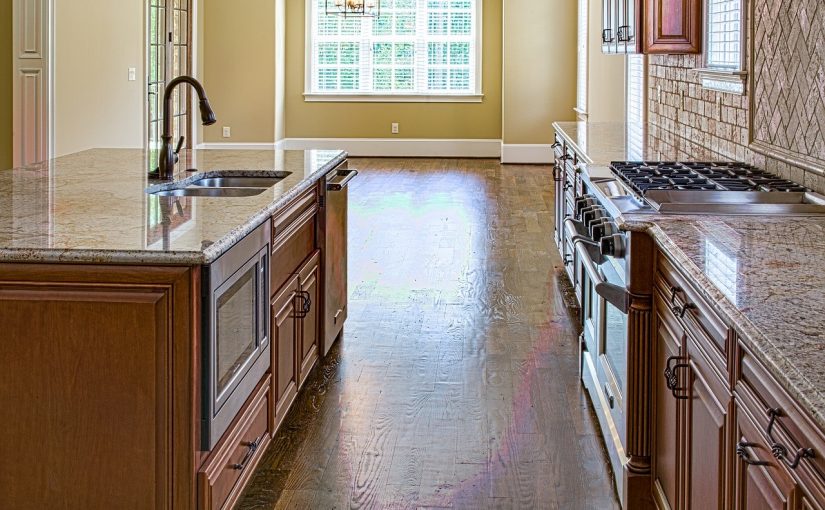
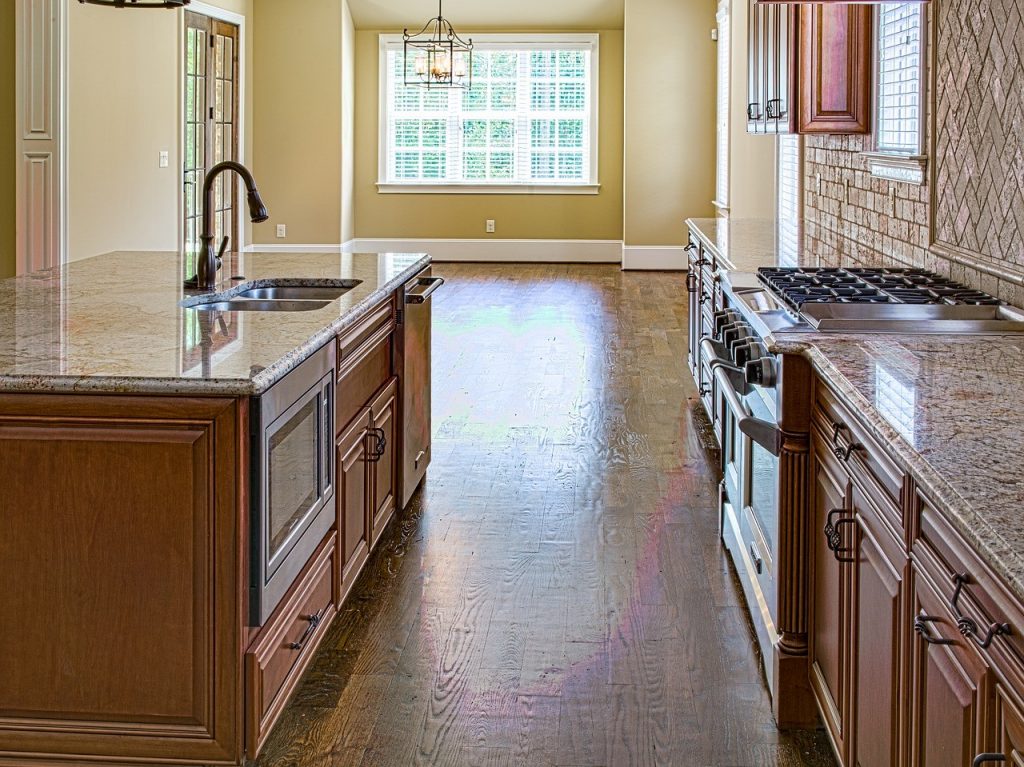
Kitchen,luxury home,construction,real estate,free pictures - free ...

Rent to own homes are a popular concept these days because it gives people an opportunity to come a step closer to their dream home.

In this article, we will tell you everything you need to know about rent to own properties to help you make an informed decision.

What are rent to own homes?

Rent to own homes are lease options that give you a choice between buying the property or a requirement to buy it at some point in the future. The rental payments paid towards these homes include rent and funds that partially contribute towards a down payment in the future. If your credit scores are not up to the mark or you do not have the finances to pay for the down payment right now, then you can use this opportunity to hold the property till you do.

How to find a rent to own home?

Rent to own home is not usually find on the listings because they only happen under very specific conditions, such as:

  • When the owner is unable to sell the property even though it has been on the market for a while. In this case, they may list the property as rental with a rent to own option.
  • If the tenant is happy in their home, but the landlord wants to put it on the market, then the tenant may request them to have a rent to own agreement.
  • If a certain property has been on the market for a while, then a home buyer may approach the seller with a rent to own offer.

If you are trying to Find Rent To Own In Edmonton, then you can either start looking at rental listings that come with this option or a sale listing that has been around for a while.

How does it work?

Here is how the rent to own homes work:

  1. You sign an agreement with either of the two options: There are two types of agreements for someone who wants rent to own homes – a) a lease agreement with an option to buy which gives you the right to buy the home at end of your lease but it is not an obligation. But be prepared to lose all the money you paid for the rent; b) lease with purchase agreement makes you legally obligated to buy the property at the end of your lease. However, before you sign up for this contract, make sure you have a home inspection done. You may also want to get pre-approved mortgage to ensure that you will qualify for a loan when the time comes. 
  2. The purchase price is decided by you and the landlord: The purchase price of the property is negotiable and set up front. Traditionally, this price is determined by the real estate agents who negotiate on your behalf. However, agents rarely every get involved with rent to own home transactions because they have no way of getting paid until the home sale concludes. Therefore, you must do all the research and legwork before discussing prices with the landlord.
  3. You have to pay an option fee: While this fee is negotiable, it is mandatory as well. The option fee can be anything between 1-5% of the purchase value that needs to be paid up front. It is one-time and non-refundable fee that gives you the option to buy at an agreed upon price in the future.
  4. You decide the duration of rental term: At the end of your rental, you should be in a sound financial position to buy the home. The rental agreement can be anything from one to three years, depending on how long you need to sort your finances and be ready to qualify for a mortgage. 
  5. Maintenance roles should be defined: Since rent to own homes are a unique situation, the tenant and the landlord are both obligated to maintain the property and keep in good shape until the ownership is transferred. So, be sure to iron out these details in advance.
  6. Your monthly payments cover down payment and rent: You can discuss with your landlord to define these monthly payments that are usually 25% to 30% above the market rent. This additional payment is applied towards your future down payment.

Whether you are in a rent to own home situation or a regular rental, keep an eye on your finances to make yourself eligible for a mortgage down the road.

Author: Eernesto T Felder

How to Save Money When You Own a Home

Owning a home is a smart investment that allows you to build wealth and equity for yourself. It gives you the freedom to live and decorate how you want on your own property, a far cry from the typical rental experience. That said, it can also be financially demanding in a variety of ways, some of which you may not find out about until after you close escrow. In order to maintain your financial stability, you may be searching for ways to reduce your homeownership costs. To figure out how you can reduce your expenses, we must first look at some of the most troublesome areas in your homeowner’s budget. 

Some of the largest expenses of homeownership include:

  • Mortgage payments (and mortgage insurance): Mortgage payments are based on the cost of the home, your credit score, income, type of home loan you have, and more. According to the latest U.S. Housing Survey, the median mortgage payment is $1,100. 
  • Property taxes: Property taxes are required for state and local taxes. Property tax is based on the value of your home and is determined by an assessor. These taxes are used to fund programs and services within the city or county you live in. Property taxes can range from several hundred dollars to several thousand.
  • Maintenance and Repairs: The need for maintenance and repairs is an inevitable aspect of homeownership. While some may be on the cheaper side (insulating the attic), others can throw a wrench in your monthly budget (pipes bursting). According to Discover, you should plan on setting aside 1% of your home’s value per year to go towards repairs.
  • Utilities: From keeping your house cool during summer to enjoying hot showers after a long day, not to mention having the family stream all day, utilities can add up. Combined, utilities can cost upwards of $300 per month.
  • Homeowners association fees: In some communities, HOA fees are required in order to help maintain the operations and aesthetics on behalf of residents. According to Investopedia, these can average around $200 a month, but can be as high as $700 per month. 

Whether you are a new homeowner or have had your family home long enough to have raised your children in it, saving money in any way you can, can lessen the burden of homeownership substantially. While it might seem difficult—let’s face it there are many costs of homeownership that aren’t so flexible (HOA fees and repairs)—there are a variety of ways to save money when you own a home, starting with these 3 tips. 

#1: Refinance or Pay Off Your Mortgage

Mortgage payments are likely one of the biggest expenses in your monthly budget. Depending on your mortgage terms, you may be able to save money by refinancing. If you are in a better financial position when you refinance (like having a significantly higher credit score), you can qualify for a lower interest rate. Lowering your interest rate can save your substantially over the lifetime of your mortgage.

However, if a lower mortgage payment isn’t sufficient to help with your financial situation, you may also want to consider a reverse mortgage. Reverse mortgages, like those offered by GoodLife, are loans available to senior homeowners who need to supplement their retirement income. If you fall into this category, this type of loan may allow you to pay off your current mortgage, so you can eliminate it from monthly expenses.

#2: Reduce Your Property Tax Bill

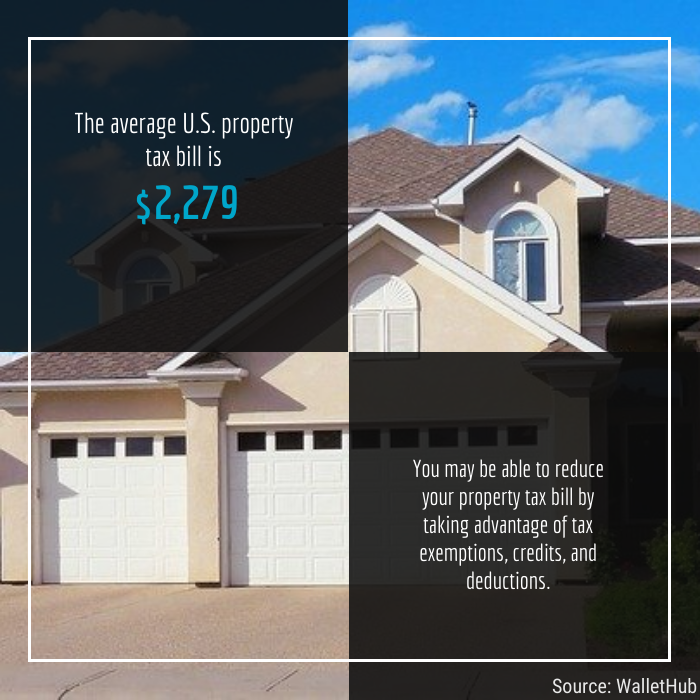
While property taxes can vary significantly by state, and even sometimes by county, they are still a notable cost that virtually every homeowner has to pay. According to WalletHub, the average property tax bill in the U.S. is $2,279. For some homeowners, like those who live in states like New Jersey or Connecticut, property taxes are more than double the average.

Whether you live in a state with high property tax rates or considerably lower property taxes, you can benefit by finding ways to save when tax season arrives. There are several ways you can save on your property tax bill: 

  1. Exemptions: Exemptions can apply to a certain group of individuals, such as senior citizens, or a percentage of the property. For example, some states exempt a portion of the home’s value from taxes. 
  2. Deductions: Deductions are a tax benefit that reduces your taxable income, and in turn, lowers your total tax bill. Some common tax deductions homeowners qualify for include mortgage interest and insurance, property taxes paid (on your home, land, or a rental property), and home equity loan interest.
  3. Credits: Credits are a tax benefit that directly reduces your tax bill. There are a variety of tax credits that may apply to property owners such as energy efficiency credits and local tax credits. 

If you’re unsure of whether you qualify for one of these tax savings methods, you may want to speak to a tax professional who can help you make that determination. 

To avoid large increases in your tax bill, make sure to do research before making additions or upgrades to your home. For example, adding a pool or expanding the size of your home may increase the value of your home, meaning higher property taxes.

#3: Make Your Home More Sustainable

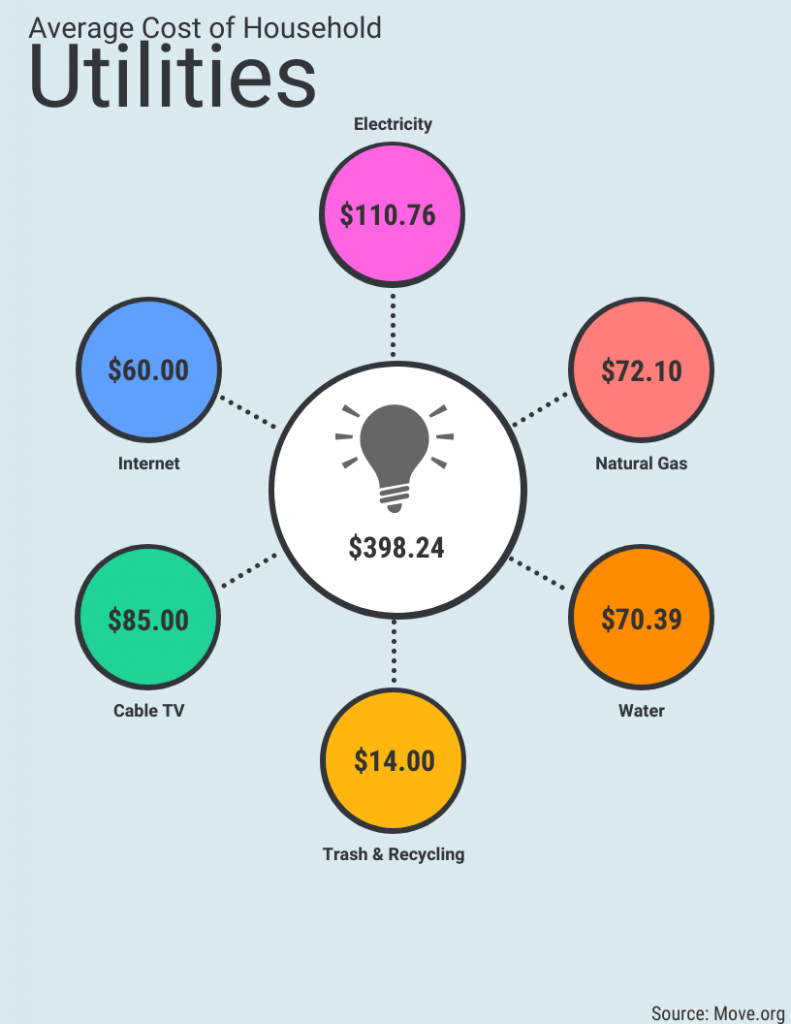
According to Move.org, the average cost of utilities for U.S. homeowners is $398.24. This includes: 

  • $110.76 for electricity
  • $72.10 for natural gas 
  • $70.39 for water
  • $14 for trash and recycling
  • $85 for cable TV
  • $60 for internet

If you’re looking for long-term ways to save money as a homeowner, making your household more sustainable may be an effective way to cut down on your bills (now and in the future). From lighting and appliances, to more eco-friendly materials, you can use sustainable alternatives to save money and reduce  your household’s carbon footprint at the same time. 

While it might be hard to see how this would be an effective way to save money on your home when you’re making a substantial financial investment, the savings you’ll see over time is well worth the trade-off. And, with more and more of these solutions available, the more affordable options there are. If you don’t have the money to invest in making these changes on-hand, there are special types of loans that can be used to make updating your home possible. 

Some examples of ways to create an eco-friendly home include:

  • Installing solar panels
  • Switching to a low-flow toilet and faucets 
  • Using a smart thermostat
  • Upgrading your insulation 
  • Adding ceiling fans 
  • Updating lighting fixtures with energy-efficient bulbs

If you’re not sure where to start in your home, determine what utilities are costing you the most and start by taking steps to integrate more energy-efficient solutions in your home.

Start Saving

While it might seem like a lot of effort, even implementing one of these strategies can have a big impact on your budget. Finding ways to cut down on your expenses in these three areas can also help you start a fund for the inevitable repairs and maintenance over the years, college savings, or retirement planning. Whether you are simply trying to live a more frugal lifestyle or have specific savings goals, navigating the expenses that accompany homeownership can help you make the most of your investment.

Author Bio

Alexis Maness has a Bachelor of Science in Integrated Marketing Communications and is a contributing editor for 365businesstips.com. As a professional content writer, she has over five years of experience and is a contributing writer for several San Diego magazines. Alexis specializes in topics related to business, marketing, finance, and hospitality and tourism.

Pandemic House Hunting: What To Do

Since the COVID-19 pandemic started, most industries slowly (or abruptly – depending on the industry) came to a grinding halt. Adjustments for the new normal had to be made for businesses deemed essential. Meanwhile, more frivolous ones have no choice but to wait until everything blows over.

How is real estate faring while all of this is going on? Are people looking for a new home going to have to shelve their future until further notice? The good news is that there are practical ways to adjust to this situation without compromising your health and others’.

Do shelter-in-place research

Like most businesses, real estate all over the world has turned to digital means to keep going during lockdowns and quarantines. Now is the actually best time to do your “home” work.

While you are sheltering-in-place, go online and do some research.

  • Bookmark reliable real estate sites, blogs, forums, and social media pages.
  • Use choice keywords to narrow down your search for the following factors:
    • Locations – Google Maps is a great tool for scouting locations.
    • Neighborhood – Areavibes.com is a good way to check the safety of the neighborhood.
    • Dimensions
    • Price range
    • Proximity to schools and businesses
    • Amenities
    • Yelp rating
    • and other factors to help you determine the best possible candidates for your future home.
  • Lookup reputable Property Managers to help you fine-tune your search and provide a pre-approval list.

Go on virtual house tours

Plenty of real estate agencies currently feature virtual house tours using creatively edited videos and slideshows to highlight the properties’ best assets. This is when you can fill in your research with visuals and see if everything is a good fit for what you’re looking for.

These properties are ones where you can go on a virtual tour, and end up getting a good idea of their important aspects:

  • A house tour that offers a 3D walkthrough experience where you can navigate the interiors with ease (like you are in an actual showing).
  • Properties that allow 360° virtual tours so you can “see” all the corners and areas typically not show on traditional slideshows and picture galleries.
  • A virtual tour or “unboxing” of new properties where a presenter does the touring and describes the look and feel of each room and amenities for you.
  • Home and property tours that also give visual information while you “tour”, as if an agent is walking and explaining things right there beside you.

Does the house have the kind of curb appeal you want? Is the layout making the most of the property’s floor plan and dimensions? Is the neighborhood quiet, clean, and offering the kind of convenience you need? Are there unexpected features like sophisticated finishes, natural lighting, a garden, and other factors that other properties do not have? You can go on as many virtual house tours as your heart desires to look for that perfect house (and all its amenities) today.

Avoid red flags

Here is a section on what not to do. Since it has become easy to window-shop for properties with a few clicks, it has also become easy to get scammed by shady real estate agents hard-selling iffy properties. So as not to get conned, consider the following red flags and do your best to investigate (or avoid them altogether):

  • There is no video tour or even enough pictures to give you a clear idea of how the property looks and feels like.
  • If there are pictures or a slideshow, the dimensions are exaggerated or warped.
  • The location leaves much to be desired – such as near busy, noisy roads or somewhere with an unsavory reputation.
  • It has recently been renovated after a disaster – and is back on the market right away.
  • The house has been listed for sale for quite some time (and nobody seems to be interested).
  • The price tag seems too good to be true.

Consult with a reputable Property Manager

A Property Manager can help you fine-tune the research and home tours you have done so far. They are professionals who are well-versed in the language of real estate and all of its requirements. They can help you come up with a list of what to accomplish prior to the actual viewing and purchasing of your future home.

Look for a Property Manager with experience in crisis situations and have exhibited adaptability in seemingly unforeseen circumstances. Those are the best ones who will have your back no matter what. They can help you with controlling costs and negotiating contracts to your favor. And given the current situation, they will insist on safety and health protocols for everyone involved – and not jeopardize it with haphazardly thrown-together site viewing and hard selling.

Fortunately, everything can be found with just a series of clicks. You can look up Property Managers with impressive portfolios and impeccable reputations with just a few keywords and reviews. Now more than ever, the Internet is your best tool for preliminary house-hunting. Use it freely to your advantage.

Bio: Elisha Finman is an experienced RE executive proficient in operations, finances and team building. His track record includes managing a portfolio of New York City multifamily residential buildings. Skilled in all areas of RE management including setting rents, leases, collections and legal, evictions, violations hpd-dob-ecb, building maintenance and instituting cost savings and efficiency measures.

Why Should You Invest in Software For Property Management?

If you own investment properties, you probably do not need anyone to tell you that you have plenty to keep you busy! From tenants who pay late, to complying with various laws, to vacancies, property managers always have something to keep them busy.

But there is good news! You can invest in software for property management that will ease your burdens, save you money, and reduce stress. Property management software helps you to perform routine property management chores, such as handling maintenance and collecting rent.

What are some of the other things that software for property management can do for you?

Handling Your Accounting

Did you ever wonder what life would be like if you did not have to update Excel spreadsheets with financial data? With the right software, you can track your income and expenses and run vital financial reports anytime.

Taking Rental Payments

Have you ever had a tenant say they sent you a check but you never got it? What a hassle. With software for property management, tenants can make their payments online. You can pay your bills through the software too. Trips to the bank will rarely be necessary anymore.

Accessing Your Information Anywhere

The great thing today about modern property management software is it is all mobile. You do not have to take your laptop everywhere you go. You can just check your smartphone and learn everything you need about repair requests, rental applications, and payments.

Screening Tenants

Some software systems let you to mostly automate listing your properties for rent on Zillow or Craigslist. It also will deal with your rental applications and even run background checks. Once your applicant is a renter, the software lets you manage that so it benefits both of you. You also might be able to run a credit check, file various tax forms, and more.

Having Happier Tenants Means A Happier You!

If you have not been completely convinced as a property manager, consider this. If you use property management software, you will increase your efficiency and you make life simpler for your renters. If you streamline basic, regular tasks, you can focus on more interaction with your tenants and getting better relationships with them.

You also can invest more in the people living in your properties rather than having to regular search for new renters. This cuts down on your churn and vacancy costs.

Author: Iris Iniguez

How to Find Cheap Land for Sale in Texas

You are making a wise decision if you are planning to find cheap land for sale in Texas because buying a property in the other states can break the bank. If you see the estimated value of the combined areas in the United States, the total will be around 23 trillion dollars. 

If you will look for land in Texas, the average value per acre is only around 7,500 dollars. The agricultural property is one of the reasons for its reasonable price, which makes Texas one of the ideal places to look for cheap lands.

Why Buying Land in Texas Is More Practical

There are a few reasons why buying land in Texas is more practical. The most obvious is that most areas in Texas are agricultural. Moreover, here is why purchasing an estate in Texas is the right choice, especially if you will use it for agricultural purposes.

  • Local government is less strict on controlling the state’s real estate development.
  • Agricultural lands provide a massive amount of reduction in annual taxes.
  • Financing companies are willing to lend to farmers and landowners.
  • You can be eligible for the Federal income tax Schedule F.

As you can see, if you will use the land for farming, wildlife conservation, and timberland, you can save a great deal in Texas.

How to Find a Cheap Land

Now that you know that Texas offers a better deal than with any other estates, you can lower the price more if you know how to buy one at a lower price.

Aside from paying for the land, you also need to consider the other variables like tax receipts and land surveying. Most often, the new owner pays for tax receipts. You also need a service of a land surveyor to ensure that you are getting the exact land measurement for the price you paid.

Image by David Mark from Pixabay

The common types of properties that are cheap are the property, foreclosed, and government-owned. The only con is that it is not easy to find these properties on your own. You need to contact a bank to ask for foreclosed properties or ask help from mediators like land brokers, auctions, and realtors.

Sometimes, you can find the best deal on e-commerce websites like e-Bay and Craigslist.

The best way to acquire the lowest price is to buy a land that is away from the city and establishments offering essential goods, such as grocery stores, schools, and gas stations. Next is to find the owner and haggle directly. If you are lucky, you can come across the owners who are willing to bargain for a low price to get rid of the property.

As you can see, it is not difficult to find cheap land for sale in Texas.

Author: Kelsey Mickens

Who Likes To Rent

The letting industry is booming. The average rent across the UK rose by 2.5% in September 2019 when compared to the same month a year previously. If you’re comparing letting agent fees, landlords are also seeing favourable prices due to the influx of online letting agent offerings.

Increasing average rent and lower letting agent fees are however being offset with tax break cuts & tenant fee bans. So, while there are ever changing variables being faced by landlords, renters are pushing forward unfazed.

It’s clear that in the long term, buying your own property/investing in a buy to let will put you in a better position financially. Aside from those that can’t afford the infamous property deposit, there are those that actually choose to rent.

In this article we look at some of the people that choose to be renters, as opposed to renting due to limited financial options.

The Bachelor

Picture the young, career driven and smart individual (male or female!), enjoying life and exploring where they want to end up in the future.

Rather than buying a long-term property, say a 3 bedroom in the outskirts of London, they may decide they want to rent a modern apartment close to the city.

Now these types of property can be valued in the £1,000,000’s! While the bachelor may not have the financial backing at this stage, their lifestyle may not yet suit a property that’s further out away from the city nightlife.

Schools

Parents consider nearby schools as a high priority when deciding where to live.

The best schools are in the most prominent areas, where the houses come at a premium. In addition, parents already located in the region are unlikely to move, lowering supply of houses in that particular area and therefore adding to the price premium.

Parents are willing to pay premium rents in these areas. The extra rental cost can be judged as offsetting costs that would have occurred in putting their child(ren) into a costly private school.

The Renting Landlord

Commonly, a landlord has a property that for various reasons, they don’t want to live in. It could be too close to parents, too far from work or not big enough.

When not wanting to sell, an option is to let out the property, while renting in a property more suitable to themselves.

This allows them to live in a suitable property, while still reaping the rewards of rental income.

Vitally, if you’re one of these individuals looking for a letting agent for your property, you can use Rentround when comparing letting agent fees & performance to get yourself the best deal.

The Divorcee

Sadly, divorce is a part of life.

During or straight after a divorce, the former husband or wife will have a period of instability in their lives. They may be using the opportunity to think about moving to the city or looking to stay near what used to be their family home to stay in close proximity to their children.

During this period, a rental property would be suitable vs. committing to buying a property.

The Contractor

Rather than being a permanent employee with a regular job, the contractor is set up under a private limited company. The person may move from company to company when their contract expires. The benefit of this type of working is high day rates and pre IR35, lower tax vs. a permanent employee.

As a new contract is taken on, the location may vary drastically compared to the contractor’s previous location.

Therefore, renting makes sense in this situation, in comparison to constantly buying & selling or living in hotels.

“I’ll get married soon”

Some people are in long term relationships or single and have their fingers crossed of finding someone soon with the aim to get married. With this mindset and possibility, buying a property as a married couple makes sense.

A couple is likely to have a larger deposit and making it a joint decision on which property to buy, makes the moving in transition easier.

The Speculator

These savvy individuals may be predicting a future down turn in the market. So instead of buying while the price is high, they decide to pay rent up until a potential crash hits prices. The individual can then buy a property at a better price, increasing their profit substantially.

In addition, after a crash it’s common to see interest rates cut and tax subsidies from the government, to re-stimulate the economy as per the 2008 crash fallout. This adds to the benefit of buying after a crash.

However, predicting a crash isn’t easy. If you get it wrong, you could see yourself on the wrong side of property price increases.

All in all, there are many reasons why people prefer to rent as opposed to buying a property. Financially, yes the favour is usually in buying a property. However, for personal, family & work-related reasons, renting provides the flexibility that is often required in people lifestyles. 

About the author: Raj Dosanjh is the founder of letting agent comparison site Rentround. Wearing many hats, Raj also runs a consultancy in the banking industry and his own martial arts club.

Lanzarote’s Lure for Overseas Investors

As Lanzarote starts to reopen its doors to international flights in July and international tourism starts to reboot again we take a closer look at the factors that have made this small Spanish island located off the coast of Africa such a big hit with overseas property investors over the last few decades.

Tourism first started taking off on Lanzarote (and in the rest of Spain) during the 1970’s.  With the advent of package holidays and a general increase in air travel from richer European nations such as Germany and the Scandinavian countries.  Along with the desire of General Franco to bring in some much-needed foreign currency.

Image by Bernd Hildebrandt from Pixabay

But it was the arrival of British holidaymakers in serious numbers during the 1990’s which really started to fuel the boom in overseas investment and the UK continues to account for around 50% of all visitors to Lanzarote to this day.

What Factors Attract Overseas Property Investors to Lanzarote?

Climate is a key factor.  As Lanzarote’s location just 80 miles off the coast of Africa means that the island enjoys great weather all year round.  So, anyone who owns a property here can rent it out to tourists for 12 months of the year – as opposed to a seven to eight-month season in other parts of Spain.  Whilst owners can also enjoy a break in the sun in their own holiday home whenever they fancy.

Over the last decade, investors have enjoyed a good deal of capital appreciation too.  The entry level price of studios and holiday apartments in the main resorts have risen by 50% or more.  Yet prices still remain very affordable by comparison with other parts of Spain, with one bed apartments still available from around €90,000.

But it’s the rental returns that are the real draw – as owners are lured by those year-round bookings from holidaymakers.

Lanzarote boasts a very buoyant tourist market.  During the course of 2019 over 3 million holidaymakers booked a break on the island – a figure which has doubled in the last 20 years.  And this boom in arrivals has attracted inward investment from hotel chains as well as smaller private investors.

Despite these buoyant tourist arrival figures Lanzarote also retains an unspoilt, authentic charm – especially when you venture away from the three main resorts which are all well contained on the island’s south eastern coast.  So there is something to attract all types of property investors – from holiday apartments for sale in Lanzarote through to rural, rustic fincas in need of renovation.

Quality of life on Lanzarote is also high.  There are over 60 beautiful beaches, tons of great restaurants and a really relaxed vibe.  The island is also very small, so it’s easy to get around and take in both the scenery and the fantastic attractions created by the famous local artist and architect Cesar Manrique.

Which Are the Best Locations for Investors?

The main resorts on the island all offer a guaranteed stream of bookings for investors looking to crate their own holiday rental business.  Puerto del Carmen is the largest of these three resorts but both Playa Blanca and Costa Teguise are also very popular.

Rural tourism is also growing in popularity – numerous expats and overseas investors have created delightful rental properties in the countryside by renovating old fincas and farmhouses.

Author: Nick Ball

Change Orders and Cost Control-All That You Need to Know

When it comes to the completion of construction projects, change orders happen to be one of the major sources of frustration for contractors. At the same time, they have a far-reaching impact on the project scope, cost and timelines, yet it is something that cannot be avoided. However, having a proper change order management system in place enables teams to mitigate the disruptions in costs and schedules. But effective change order management remains a crucial pain point for a majority of construction companies.

Thankfully, big and small firms alike have realised the value of effective project management and cost control software solutions in construction, which have the potential to steer change management in the right direction. But before we talk about these solutions, it is vital to understand the costs associated with change orders in the first place.

Calculating the actual cost of change orders

Even before you start working on project cost control strategies in the face of change orders, it is vital to grasp their actual impact. Apart from the quantified costs, change orders also result in a significant loss of productivity. There is a lot more that exists below the surface. Let us explain the true cost of change orders as segmentation of direct, indirect and consequential costs.

Direct Costs: As the name implies, these are the costs directly influenced by the change order. Typically, this includes labour, equipment, material and other expenses related to the change. Apart from these costs, less obvious expenses such as the cost of the structure redesign, expenses of extra set up and clean up and cost of communication with engineers and crew specifically for implementing the order also come in this category.

Indirect Costs: Essentially, indirect costs include overheads. They may be a fixed or variable part of the project, based on the accounting practices followed by the business. When indirect costs are calculated as a percentage of the overall job, they tend to rise.

Consequential Costs: These are the costs associated with the timing of the change order. It is common for these orders to slow down the efficiency, which can result in consequential expenses that are hard to quantify. This can happen due to factors such as reassigning supervision, diluting labour power and more.

Cost Control with a Digital Solution

Considering the myriad of costs associated with change orders, managing them can be more challenging than you may think. Handling them manually can take a lot of work, right from budgeting for the change to tracking costs, analysing them and preparing reports that are to be passed on to the stakeholders. Apart from the complexity of the manual cost control operations, the chances of error run high when you have to record, access and process information across multiple spreadsheets. To handle such scenarios effectively, a project cost control software solution can prove beneficial as it automates the entire lifecycle and provides actionable insights to take the right steps for monitoring the change order-related costs.

Project managers should look for a holistic project management software solution that not only facilitates cost control but also encompasses other aspects such as ordering supplies, planning deliveries and scheduling labour. One that enables real-time updates in project information is a plus because it will keep the stakeholders informed about cost deviations at all stages.

About the author: The author is a construction project manager with Zepth.com and has a flair for writing as well. Since She has a rich experience in working on construction projects of diverse sizes and scales, he likes sharing them as articles on leading blogs and online platforms.