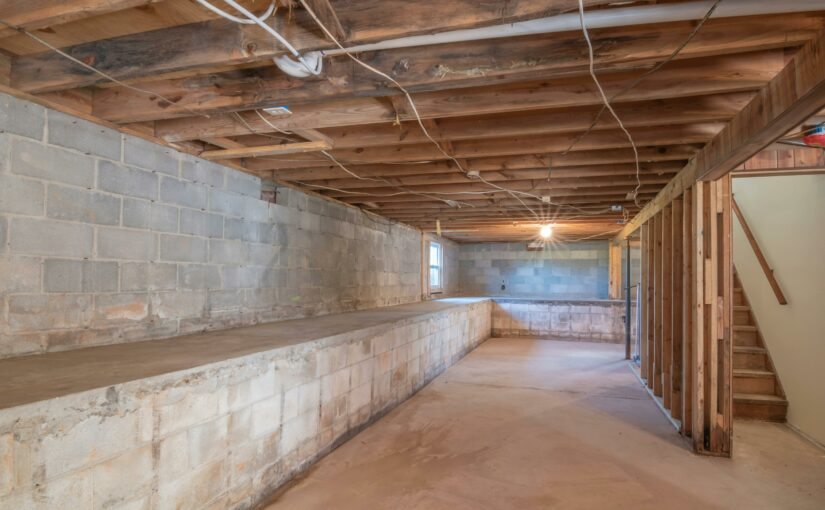
Why Buyers and Appraisers Look at Your Basement First

You’ve staged the living room. The kitchen has been freshly painted. The backyard looks its best. And then the home inspector opens the basement door and spends forty-five minutes down there while everyone else waits upstairs in silence. That’s not an accident. The basement is where experienced buyers, inspectors, and appraisers look when they want to understand what a home is really worth — and what it’s hiding.

Understanding what they’re looking for, and why, gives you something most sellers and homeowners don’t have: the ability to see your home the way the market sees it. That perspective is worth a great deal, whether you’re planning to sell in five years or five months.

What a Home Inspector Is Actually Looking For

A home inspector’s job is to find problems — not to scare you, but to give a buyer accurate information about what they’re purchasing. In the basement, they’re systematically working through a checklist that experienced inspectors could complete with their eyes closed, because the same issues appear over and over in the same places.

Water staining on walls and floors. White efflorescence on concrete. Cracks in the foundation — and critically, their direction, width, and whether they show signs of movement or water infiltration. The condition of the sump pump, whether a battery backup exists, and when the pump was last serviced. The state of the visible framing and any signs of rot or mold at the base of wood members. The age and condition of the water heater and any mechanicals in the space.

Each finding goes into a report. Each report goes to the buyer. And each significant finding either becomes a price negotiation, a repair demand, or a reason to walk away. The basement section of a home inspection report is consistently where the most consequential findings appear — not because inspectors spend more time there, but because that’s where the problems tend to be.

How Appraisers Think About Basement Space

An appraiser’s job is different from an inspector’s — they’re not looking for problems, they’re establishing value. And the way they treat basement space has specific rules that most homeowners don’t fully understand.

Above-grade finished square footage and below-grade finished square footage are not valued equally. In most appraisal methodologies, finished basement space contributes to value — sometimes significantly — but at a lower per-square-foot rate than the floors above grade. This isn’t arbitrary. It reflects market reality: most buyers will pay more for a bedroom on the second floor than for the same-sized room below grade, and appraisals are anchored to what comparable properties have actually sold for.

What does move the appraisal needle in a basement is functionality and condition. A finished basement with a legal bedroom — one with a properly sized egress window meeting local building code — is appraised differently than a finished room with a window that doesn’t meet egress requirements. A basement bathroom adds measurable value. A wet bar or kitchenette adds value in markets where that’s a common feature. A basement that is visibly dry, professionally waterproofed, and in good structural condition comes in higher than an identical layout with evidence of past or present moisture issues.

The professionals atAquatech Waterproofing in Mississauga work on both remediation and new waterproofing installations — and the consistent pattern they see is that homeowners who address moisture before listing get better appraisals, fewer inspection flags, and smoother transactions than those who hope the issue goes unnoticed. It rarely does.

The Three Things That Kill Deals in the Basement

After inspection reports, buyer feedback, and real estate transaction patterns, three basement issues surface most consistently as deal-breakers or value-reducers.

Active water infiltration is the most serious. A basement with visible water staining, efflorescence, active seepage, or standing water after rain is a documented problem that buyers can’t ignore and lenders sometimes won’t finance. Even a buyer who is willing to accept the risk will price it into their offer — often at two to three times the actual cost of the repair, because they’re pricing in uncertainty, not just the known fix.

Mold is the second. Visible mold in a basement — on framing, drywall, insulation, or concrete — triggers mandatory disclosure requirements in most jurisdictions, specialist remediation costs, and significant buyer anxiety that’s difficult to neutralize even after the work is done. A professional mold remediation report helps, but the fact of prior mold remains in the disclosure documents and affects perception.

Structural foundation concerns are the third. Horizontal cracks, bowing walls, or evidence of significant differential settlement are issues that home inspectors flag prominently and that buyers take seriously. Unlike water infiltration — which can be addressed with a drainage system — structural movement requires structural engineering solutions that are both more complex and more expensive to explain and document.

What Buyers Actually Want in a Basement

Beyond avoiding problems, buyers in most markets have a clear picture of what they’re hoping to find when they go downstairs — and understanding that picture helps you prioritize where to invest.

Dry and clean is the baseline expectation, and it’s the one that most significantly affects whether a buyer feels good or uneasy about the home overall. A basement that smells clean, has no water staining, and shows evidence of proper maintenance creates immediate confidence that carries into every other part of the viewing.

Usable space is the next expectation. Buyers are doing mental arithmetic when they walk through a home — calculating where everything goes, how the family fits, what flexibility exists. A basement that reads as genuinely usable square footage — even if it’s unfinished — contributes positively to that math. One that reads as a problem area subtracts from it.

Finished space with a clear purpose commands the strongest reaction. A defined home office, a guest suite with its own bathroom, a family room that’s clearly been enjoyed — these spaces give buyers something concrete to imagine themselves using, which is one of the most powerful drivers of purchase decisions and offer prices.

The Pre-Sale Investment That Pays Itself Back

The math on pre-sale basement investment is more favorable than most homeowners assume. A waterproofing system that costs several thousand dollars eliminates inspection flags that typically result in buyer credits worth two to three times that amount. Addressing visible mold before listing costs less than the remediation a buyer will demand post-inspection — and avoids the disclosure complications that come with documented mold findings.

Finishing a basement properly before sale — with real insulation, quality flooring, and appropriate lighting — adds appraised value that exceeds the renovation cost in most markets, particularly when the space is designed with a specific use in mind rather than as a generic open room.

The homeowners who get the strongest results in this market are the ones who treat the basement not as an afterthought to the listing but as a key part of the value proposition. Buyers go downstairs. Inspectors spend time there. Appraisers factor it into their numbers. The basement is doing more work in your home’s sale than most people give it credit for — and it rewards the attention you give it before the sign goes up.


How Basement Condition Impacts Your Property Value

When buyers walk through a home, they form impressions fast. The kitchen draws them in. The primary bedroom seals the deal. But the basement — the space most sellers put the least effort into — is often where the deal quietly falls apart. Or where a well-prepared seller quietly pulls ahead of every comparable listing on the street.

The condition of your basement has a more direct and measurable impact on your property value than most homeowners realize. Understanding that relationship — whether you’re planning to sell soon or simply protecting a long-term investment — is worth your time.

What Buyers and Their Inspectors Are Actually Looking For

Every serious buyer comes with a home inspector. And home inspectors go to the basement first.

They’re looking for evidence of water intrusion: staining on walls, white mineral deposits on concrete, rust around structural columns, active cracks with moisture behind them, mold or mildew on any surface. They check the sump pump, assess the drainage, and test the humidity. They document everything they find and present it to the buyer in a report that directly shapes what happens next in the negotiation.

A basement that shows signs of past or present water problems triggers immediate concern — not just about the basement itself, but about the integrity of the entire structure. Buyers start asking how far the damage goes, whether mold is present behind walls, and what a fix would actually cost. That uncertainty has a price, and it comes off your asking price.

Direct Waterproofing in Scarborough offers free inspections that give you the same clear picture a buyer’s inspector would find — so you can address issues on your own terms, before they become negotiating leverage for someone else.

The Numbers Behind Basement Condition

Real estate data consistently shows that basement issues are among the top reasons for price reductions and failed deals. The impact is felt in several ways.

Direct repair credits. When a home inspection reveals basement water problems, buyers routinely request a credit or price reduction to cover remediation costs. These credits often significantly exceed what the actual repair would have cost the seller — because buyers apply a risk premium on top of the estimated fix, accounting for the uncertainty of what they can’t see.

Conditional offers and deal collapse. Significant basement findings can make buyers walk away entirely or make their offer conditional on remediation. In a competitive market, a conditional offer is a weaker offer. In a slower market, it’s often no offer at all.

Appraised value. Appraisers note the condition of the basement as part of their assessment. A basement with documented water damage, structural cracks, or active mold will affect the appraised value of the home — which in turn affects how much a lender will finance, which affects what a buyer can actually pay.

Days on market. Homes with basement problems tend to sit longer. Buyers who see a listing that’s been on the market for several weeks start wondering why — and “basement issues” is one of the most common answers. Longer time on market puts downward pressure on price regardless of what caused the delay.

The Positive Side: What a Strong Basement Does for Value

The relationship works in both directions. A basement that shows well — dry, clean, structurally sound, and properly maintained — actively supports your asking price and your negotiating position.

A professionally waterproofed basement with a transferable warranty is a documented asset. It tells buyers that the foundation has been properly maintained, that the risk of future water problems has been professionally addressed, and that they’re inheriting a protection that extends to them. In a market where buyers are cautious about hidden costs, that kind of certainty commands a premium.

A finished basement that is genuinely dry and properly insulated adds livable square footage to your listing. In most markets, finished basement square footage is valued at a lower rate per square foot than above-grade space — but it still adds real, measurable value. A 1,000 square foot unfinished basement and a well-finished 1,000 square foot basement are not listed at the same price, and buyers don’t treat them as equivalent.

The combination — waterproofed, finished, documented — is where the value impact is strongest. Each element builds on the other.

Deferred Maintenance Is a Liability That Compounds

Here’s the pattern that costs sellers the most: years of treating the basement as low priority, deferring maintenance, and then encountering the consequences at exactly the wrong moment — during a sale.

A slow seep that was ignored for three years becomes visible staining and efflorescence that a home inspector photographs and includes in their report. A sump pump that was overdue for replacement fails during a spring thaw six weeks before listing. A crack that was never sealed becomes a negotiating point that costs far more in the price reduction than the repair ever would have.

Deferred maintenance in a basement doesn’t disappear. It accumulates. And it surfaces under the worst possible conditions — when you’re under time pressure, when you need the sale to close, and when the other party has every incentive to use what they find.

Addressing basement issues proactively — on your timeline, with time to choose the right contractor and have work properly documented — is almost always less expensive than addressing them reactively during a transaction.

The Role of Documentation

One thing experienced sellers understand that first-timers often don’t: documentation of maintenance and repairs is itself a value driver.

A folder containing the original waterproofing contract, the warranty certificate, records of annual sump pump testing, and any follow-up work done over the years tells a story of a home that’s been cared for. It removes uncertainty. It gives a buyer’s inspector something concrete to work with rather than leaving them to speculate about what’s behind the walls.

Buyers pay more for certainty. A well-documented basement — even a modest, unfinished one — communicates certainty in a way that a clean-looking but undocumented basement simply cannot.

The Takeaway

Your basement doesn’t need to be finished, beautifully decorated, or converted into a suite to support your property value. It needs to be dry, structurally sound, properly maintained, and documented.

Those four things — dryness, structure, maintenance, documentation — are what turn a basement from a liability into a neutral or positive factor in your sale. And moving from neutral to positive, through proper waterproofing and professional finishing, is where real value is added.

The basement is the foundation of your home in the most literal sense. Treating it that way is the most straightforward investment in property value you can make.

Selling High-Value Property: How to Protect Your Asset and Price Before It Hits the Market

Selling a premium home is not just a transaction. It is a positioning exercise. The outcome is shaped well before the first buyer walks through the door, and small missteps early in the process can quietly erode both perceived value and final sale price.

What separates a strong result from an average one often comes down to preparation, risk management, and understanding how buyers assess high value property.

Premium Buyers Look for Risk Before They Look for Features

At the upper end of the market, buyers are less concerned with surface level appeal and more focused on downside risk. They are not just asking if the home looks good. They are asking what could go wrong after settlement.

This includes structural integrity, compliance with regulations, and long term maintenance concerns. A premium buyer is typically more informed and more cautious, especially when committing to a larger financial outlay.

According to data from Domain, higher value properties tend to spend longer on market when uncertainty exists around condition or documentation. Buyers at this level are willing to wait rather than compromise.

Presentation Goes Beyond Styling

Styling and staging are important, but they are only one layer of presentation. Serious buyers look past furniture and finishes very quickly.

What matters more is how the property holds up under scrutiny. Are there visible signs of wear? Has maintenance been consistent? Are there areas that raise questions during inspection?

Addressing these details before going to market puts you in control of the narrative. Leaving them unresolved invites buyers to discount the price or walk away entirely.

Pre Sale Inspections as a Defensive Strategy

Most sellers wait for buyers to organise inspections. That approach puts you on the back foot.

By organising a Melbourne Building and Pest Inspection before listing, you gain visibility over potential issues early. This allows you to fix problems, disclose them transparently, or adjust expectations before negotiations begin.

More importantly, it reduces the chance of deals falling through late in the process. Few things damage momentum more than a buyer pulling out after uncovering an issue during due diligence.

A pre-sale inspection is not about making the property perfect. It is about removing uncertainty.

Pricing Strategy Sets the Tone for the Entire Campaign

Overpricing a premium home does not just slow down interest. It can actively damage perception.

Buyers in this segment track listings closely. If a property sits on the market too long, it raises questions. Why has it not sold? Is there something wrong with it?

On the other hand, pricing too low can attract the wrong type of buyer or create misalignment with the property’s positioning.

The goal is to set a price that reflects market reality while still leaving room for competitive tension. This requires a clear understanding of comparable sales, not just in your suburb, but within your specific property category.

Agent Selection Has a Direct Impact on Outcome

Not all agents are equipped to handle premium properties. The difference is not just in their network, but in how they manage the sales process.

An experienced agent in the high-end market will know how to qualify buyers, manage negotiations, and maintain discretion where needed. They also understand how to create a sense of scarcity without overexposing the property.

Choosing the right agent is less about who promises the highest price and more about who can demonstrate a track record of delivering results in similar property segments.

Documentation and Compliance Matter More Than You Think

Premium buyers often engage legal and technical advisors early in the process. That means your documentation will be reviewed in detail.

This includes building approvals, renovation records, compliance certificates, and any relevant planning information.

Gaps or inconsistencies here can slow down the transaction or create leverage for buyers to renegotiate. Having everything prepared upfront signals professionalism and reduces friction during the sale.

Timing and Market Conditions Still Play a Role

Even with perfect preparation, external factors still influence the outcome.

Interest rates, buyer sentiment, and local supply levels all affect how a property is received. While you cannot control these variables, you can choose when to enter the market.

Some sellers rush to list without considering whether conditions are favourable. Taking a more strategic approach to timing can improve both buyer interest and final price.

Managing Buyer Perception During Inspections

Open homes and private inspections are where perception is formed in real time.

Small details can influence how buyers feel about a property. Lighting, cleanliness, noise levels, and even subtle maintenance issues all contribute to the overall impression.

Buyers may not consciously register every detail, but they will factor into their decision making. Creating a controlled and consistent inspection experience helps reinforce the property’s value.

Negotiation Is About Control, Not Just Price

At the premium level, negotiation is rarely straightforward. Buyers are often experienced and well advised.

The key is maintaining control of the process. This includes setting clear expectations, managing communication, and knowing when to hold firm or make concessions.

A strong negotiation strategy does not just maximise price. It also reduces the risk of deals collapsing due to misalignment or uncertainty.

Final Thoughts

Selling a high-value property requires more than good timing and a well-presented home. It requires a deliberate approach to reducing risk, managing perception, and controlling the process from start to finish.

Taking steps such as organising a Melbourne Building and Pest Inspection early, preparing documentation, and selecting the right agent can significantly improve your position before the property even hits the market.

In a segment where buyers are more cautious and more informed, the sellers who achieve the best outcomes are usually the ones who treat preparation as part of the strategy, not an afterthought.