
Bathtub Remodel vs. Replacement: Which Option Is Right for You?

When it comes to upgrading your bathroom, the bathtub often becomes a focal point of the renovation conversation. Whether you’re dealing with an outdated design, visible wear and tear, or simply craving a more luxurious bathing experience, deciding between bathtub remodeling your existing tub and replacing it entirely can be a challenge. Each option carries its own set of benefits, costs, and considerations. Understanding the differences between a remodel and a replacement will help you make the right choice for your home, lifestyle, and budget.

Understanding the Scope of a Bathtub Remodel

A bathtub remodel typically involves updating the appearance and functionality of your existing tub without removing it completely. This can include refinishing the surface, installing new fixtures, adding a surround or enclosure, or even converting the tub into a shower. Remodeling is often chosen when the tub is structurally sound but aesthetically outdated or slightly damaged. It’s a way to breathe new life into your bathroom without the expense and disruption of a full replacement.

Refinishing, for example, is a popular remodeling technique that involves applying a new coating to the tub’s surface. This can restore shine, cover stains, and repair minor chips or cracks. Contractors use specialized materials and techniques to ensure the finish is durable and water-resistant. Remodeling can also include retiling the walls around the tub, upgrading the faucet and handles, or adding accessibility features like grab bars and slip-resistant surfaces.

When Replacement Becomes the Better Option

While remodeling can be effective in many cases, there are situations where replacing the bathtub is the more practical and long-term solution. If your tub has significant structural damage, persistent leaks, or mold growth beneath the surface, replacement is often necessary. Cracks in the basin, rusted metal components, or a failing drain system can compromise the integrity of the entire fixture. In such cases, patching or refinishing may only delay the inevitable.

Replacement also allows for a complete transformation of your bathroom layout. If you’re looking to install a larger tub, switch from a built-in to a freestanding model, or change the orientation of the plumbing, replacement gives you the flexibility to do so. Contractors can help you choose a new tub that fits your space, complements your design vision, and meets modern efficiency standards. From deep soaking tubs to sleek minimalist designs, the options are vast and customizable.

Cost Considerations and Budget Planning

One of the biggest factors in deciding between a remodel and a replacement is cost. Remodeling is generally more affordable, especially if you’re only refinishing the surface or updating fixtures. The process is quicker, requires fewer materials, and involves less labor. However, the savings may be short-lived if the underlying issues aren’t addressed. A beautifully refinished tub that continues to leak or deteriorate will eventually need to be replaced, potentially costing more in the long run.

Replacement, while more expensive upfront, can offer better value over time. New tubs are more energy-efficient, easier to clean, and often come with warranties. The installation process may involve additional expenses such as plumbing adjustments, demolition, and disposal of the old tub. Contractors recommend getting a detailed estimate that includes all potential costs, so you can make an informed decision based on your budget and goals.

Aesthetic and Functional Upgrades

Remodeling is ideal for homeowners who are satisfied with the size and shape of their tub but want to improve its appearance. It’s a great way to modernize your bathroom without altering the layout. You can choose new colors, textures, and finishes that reflect current trends or your personal style. Remodeling also allows for functional upgrades like handheld showerheads, temperature controls, and built-in shelving.

Replacement, on the other hand, opens the door to more dramatic changes. If your current tub feels cramped, outdated, or incompatible with your lifestyle, replacing it can significantly enhance your bathing experience. You might opt for a whirlpool tub with massage jets, a Japanese soaking tub for deep relaxation, or a walk-in tub for improved accessibility. Contractors can guide you through the selection process, ensuring that the new tub meets your needs and fits seamlessly into your bathroom design.

Time and Disruption Factors

Another important consideration is the time and disruption involved in each option. Remodeling is typically faster and less invasive. Most refinishing jobs can be completed in a day or two, and you’ll be able to use your bathroom shortly afterward. The process involves minimal demolition and cleanup, making it ideal for busy households or those with only one bathroom.

Replacement is more time-consuming and may require your bathroom to be out of commission for several days. The process includes removing the old tub, preparing the space, installing the new fixture, and making any necessary plumbing or structural adjustments. Contractors work efficiently to minimize disruption, but it’s important to plan accordingly, especially if you have limited access to alternative bathing facilities.

Making the Right Decision for Your Home

Ultimately, the choice between remodeling and replacing your bathtub depends on your specific circumstances. If your tub is in good condition but needs a facelift, remodeling can be a cost-effective and satisfying solution. If the tub is damaged, outdated, or no longer meets your needs, replacement may be the better investment. Consulting with a professional contractor can help you evaluate the condition of your current tub, explore design options, and determine the best path forward.

Whether you choose to remodel or replace, upgrading your bathtub is a powerful way to enhance your bathroom’s comfort, functionality, and aesthetic appeal. With the right approach and expert guidance, you can create a space that reflects your style and supports your daily routines for years to come. For expert guidance on sidewalk repairs and DOT compliance, landlords can turn to trusted resources like NYCrenovation.com.

2025 Seller Sentiment in the Southeast: What Homeowners Need to Know

Selling a home in 2025 feels… different. The energy that once defined the post-pandemic housing boom has cooled into a market defined by patience, precision, and perspective. Especially in the Southeast, homeowners are taking a cautious approach, weighing timing, price, and personal goals more carefully than ever.

But what’s really going on behind the numbers? Why are so many sellers both optimistic and uneasy at the same time?

Let’s break down what the data says, what experts are seeing, and how homeowners can navigate this unique year in real estate.


A Snapshot of Current Seller Sentiment

The national mood among homeowners is shifting. According to Fannie Mae’s June 2025 National Housing Survey, 60% of consumers say it’s a good time to sell, while 39% believe it’s not — a net positive of +21%. That’s solid optimism, but not overwhelming confidence.

By contrast, only 28% think it’s a good time to buy, highlighting a growing disconnect between buyers and sellers. This imbalance, fueled by affordability challenges and higher mortgage rates, is shaping the entire conversation around housing in the Southeast.

So yes — sellers feel ready. But buyers? Not so much.


Regional Reality Check: The Southeast in Focus

In the Mark Spain Real Estate Southeast Home Seller Sentiment Report (Fall 2025), the tone is more nuanced. Around 80% of Southeast home sellers report anxiety about selling, and 62% say ongoing market news has influenced their plans.

Even more telling: 69% of sellers with mortgages have postponed listing their homes because of high interest rates, with nearly half delaying for more than six months. That’s a significant portion of potential inventory stuck in limbo.

Yet optimism lingers — 72% of sellers still expect to get their full asking price or more, even as 26% of listings nationally now require price cuts. Confidence remains high, but it’s competing with a market that’s becoming more selective and price-sensitive.

If you’re wondering what that means for you, think balance — not panic.


Interest Rates and Market “Freeze”

The biggest headwind this year? Mortgage rates.

As JPMorgan’s February 2025 housing outlook put it, the market remains “largely frozen” — transaction volumes are low, and price growth is expected to stay under 3% nationwide. Elevated mortgage costs have created what analysts call a “lock-in effect,” where homeowners hesitate to sell because they don’t want to give up their existing low-rate loans.

In the Southeast, that hesitation is amplified. Florida, Georgia, and North Carolina all saw strong migration-driven demand in prior years. But as rates hover near 7%, even mobile buyers are pausing. Sellers sense this, and many are choosing to wait rather than compete in a market with fewer active buyers.


Inventory Is Rising, but Buyers Aren’t Keeping Up

The latest Redfin data paints a telling picture: there are now 1.9 million home sellers versus 1.5 million buyers, a 33% gap — the widest since at least 2013. The June 2025 Redfin update confirmed that this imbalance is especially pronounced in the Sunbelt and Southeastern metros.

What does that mean for sellers?

Pressure. More listings mean more competition, and pricing strategy matters more than ever. Nationally, Redfin projects that home prices could decline around 1% year-over-year by the end of 2025 if this gap persists.

Still, the Southeast isn’t uniform. Hot metro areas like Nashville and Tampa continue to attract inbound movers from the Northeast and Midwest, helping stabilize prices — at least for now.


What’s Driving Seller Confidence?

Despite the mixed data, confidence remains high among many homeowners. A Realtor.com survey found that 70% of potential sellers think it’s a good time to sell, and 81% believe they’ll get their asking price or more. Even more striking: 63% expect they won’t have to make significant concessions.

That optimism might be rooted in memories of 2021–2022 bidding wars — but today’s reality is more measured. Offers still come in strong for move-in-ready homes in desirable neighborhoods, but buyers have more leverage than before. Inspections, appraisal negotiations, and seller concessions are back on the table.

And many sellers are adapting. According to Mark Spain Real Estate, 68% of sellers are willing to offer concessions, often in the form of closing-cost help, repair credits, or temporary rate buydowns. Flexibility is becoming the new superpower in selling.


The Role of Technology in Selling Smarter

Interestingly, technology is making its way into seller strategy. Around 38% of Southeast sellers are open to using AI tools like ChatGPT to refine listing descriptions, staging ideas, and pricing language. That shift shows how sellers are taking control — using tools to personalize their approach in a market that demands creativity.

On listing platforms like ListProperty4Free, sellers are learning how to write engaging, authentic listings that appeal directly to buyer motivations rather than relying on outdated templates. A well-phrased description or an interactive virtual tour can make all the difference in attracting serious offers.


Understanding Southeast Home-Seller Sentiment

Let’s zoom back out for a second. What does all this data mean when we talk about southeast home-seller sentiment?

It’s a cocktail of optimism, hesitation, and adaptation. Homeowners still believe in the value of their properties — and they should — but they’re navigating a slower, more thoughtful market. Emotions are part of the equation, too. Anxiety over timing, regret over missed peaks, and uncertainty about buyer demand all play into decision-making.

For many, the key is recognizing that “waiting for the perfect time” may mean waiting indefinitely. Instead, it’s about preparing strategically: pricing realistically, presenting beautifully, and negotiating confidently.


Migration Trends: Who’s Moving (and Who’s Not)

Migration data also helps explain the sentiment divide. Southeastern metros continue to attract remote workers and retirees — but the flow has slowed.

Census migration data for early 2025 shows inbound moves to Florida, Tennessee, and the Carolinas are still positive, though lower than in 2022–2023. High insurance costs in coastal zones and property tax increases in fast-growing counties are beginning to cool what was once red-hot demand.

That’s not necessarily bad news. It may simply signal stabilization — the return of a more balanced market where homes don’t sell in days but in weeks, and both parties have room to negotiate.


Expert Insight: What Professionals Are Saying

Real estate professionals across the Southeast describe 2025 as a “reset year.” Not a downturn — a recalibration.

Agents from Georgia to Alabama are seeing two distinct groups of sellers:

  • Those who have to move (job relocations, life events)
  • Those who would like to move — but not yet

The second group is holding the market back from normal volume. That said, agents also note that properly priced homes in desirable school districts or with recent upgrades still draw multiple offers within a few weeks.

Experts agree: presentation and patience are more valuable than panic-driven pricing.


Actionable Takeaways for Homeowners

Thinking of selling this year? Here’s how to make smart moves in a cautious market:

1. Price for Today, Not Yesterday

Use recent comparable sales, not 2022’s highs. A competitive price upfront can attract faster offers and avoid later reductions.

2. Highlight Value Over Price

Focus on lifestyle, location perks, and upgrades that matter — not just square footage. Buyers want to feel the home’s worth.

3. Be Ready to Negotiate

Expect concessions. Offering help with closing costs or repairs can help your listing stand out in a crowded market.

4. Use Tech Wisely

Consider AI-assisted tools for listing optimization or virtual staging. They can make your home look its best to digital-first buyers.

5. Watch Interest Rate Trends

If mortgage rates dip below 6.5%, expect a short-lived rush of buyers. That may be the window to list quickly.


The Bottom Line

The Southeast’s housing story in 2025 is one of transition. Confidence is high, but patience is required. Sellers are optimistic — and rightfully so — but they’re also learning that success now comes from strategy, not speed.

For homeowners considering a sale this year, the best move might not be to wait for perfect timing. It’s to plan for real conditions, adapt, and take advantage of the still-strong buyer interest in well-presented homes.

In short: selling in 2025 isn’t easy. But it’s doable. And with the right preparation and perspective, it can still be deeply rewarding.

Accurate Dishwasher Installation: Top 3 Pro-Tips to Keep in Mind

Montreal is a city that places new-age living and busy lifestyles on the same plane. Therefore, homeowners must install a dishwasher correctly for energy efficiency, hygiene, and convenience. You could be staying in a conventional suburban family house or a sleek condominium downtown; the installation should be precise. It ensures that the appliance functions correctly and is long-lasting.

Several homeowners underestimate how essential the precision is at the time of installation. Mistakes like faulty connections and inaccurate placement can result in poor performance, leaks, and even expensive water damage. When you follow the tips shared by a professional plumber, your dishwasher can function well for a long time and also conserve electricity and water.

Importance of correct dishwasher installation

In Montreal, there is variation and diversity in home styles that can lead to some interesting plumbing and cabinetry layouts. It makes the installation of your dishwasher far more complicated than it may appear. Accurate leveling, plumbing, and electrical connections are essential to its operational performance and longevity of use.

Even the smallest mistake, such as unlevel mounting, improperly connected hoses, can result in leaks, noise, and less-than-optimal washing results. If you are investing in an energy-efficient dishwasher, proper installation will also maintain Energy Star performance. Therefore, you need to consult a professional plumbing service provider that is CAA recommandéto get the best outcome.

  • Pro-Tip 1: Leveling needs to be correct

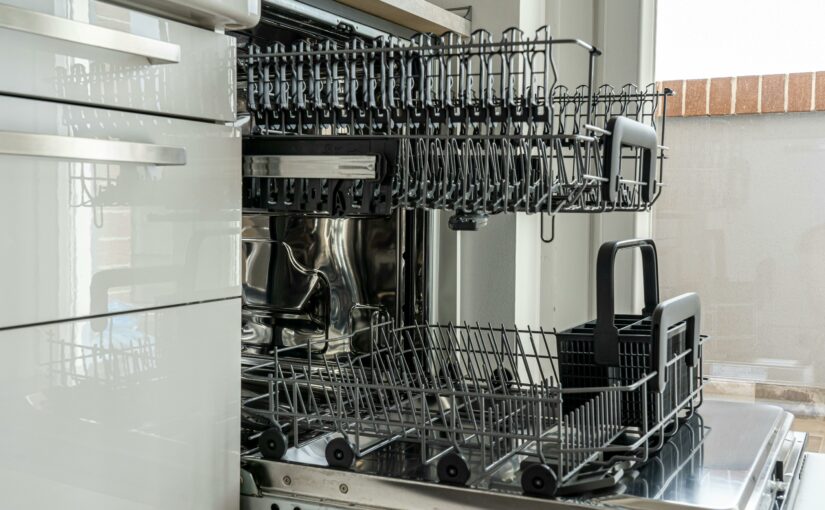
One important step in putting in a dishwasher is making sure it is level. It is even more important to keep water from pooling inside the washer in many Montreal homes, especially older ones with floors that are uneven floors. A level tool and an adjustable wrench can be useful. Also, look at all the corners and then turn the feet until the unit is level. A correct level installation makes it easier for water to drain and reduces noise and vibration while the machine is running.

  • Pro-Tip 2: Carefully evaluate the electrical requirements

Most dishwashers in homes in the Montreal area will need a 120-volt electrical circuit. If you plug the unit into the wrong kind of outlet or overload the circuit, it can trip and/or surge power. Before installing the circuit, it’s best to have a licensed electrician check that it is safe to use. To keep the appliance safe and working for a long time, you should make sure that the power cord is properly secured and not in an area where it could get wet.

  • Pro-Tip 3: Opt for correct drain connections and plumbing

You need to connect dishwashers to a water supply and a drain line. In Montreal, where plumbing systems can be different from one neighborhood to the other, it’s important to use high-end flexible supply and drain hoses that won’t rust. When you connect the dishwasher to the drain, always use a high-loop or air gap connection. This kind of connection doesn’t stop dirty water from getting into the dishwasher. These little things can help you follow plumbing codes and keep your kitchen safe in case of flooding or contamination. To know more on the plumbing side, you can browse through https://www.plomberie5etoiles.com/ and make a correct decision.

Finally, installing a dishwasher the correct way is essential for Montreal homeowners because it protects your investment, enhances efficiency, and adds longevity to the unit. A properly installed dishwasher will run quietly and last for a long time. It also cleans well and uses water and energy conservatively.

Summing it up

Homeowners in Montreal want a perfect dishwasher installation, but they don’t have the plumbing know-how. In these situations, it is always best to hire a licensed plumber or technician from Montreal with experience installing appliances. They make sure to use proper and safe installation code. When you follow the best professional tips, you can install the dishwasher correctly and enjoy a good kitchen upgrade.

Small Business Remodeling: Streamlining the Process

Remodeling your small business is a strategic move to attract new customers, energize existing ones, and boost staff morale. To maximize benefits and minimize stress, approach the remodel methodically – efficiency keeps costs down and helps your business stay operational. Here are a few key steps to a smooth remodeling process.

Clarify Vision and Objectives

Start by defining your remodel’s goals. Is your focus a modern storefront or a more functional office for better workflow? Create a vision board with reference photos and inspiration to visualize the outcome. Involve staff early so changes support daily operations, like adding storage or collaborative spaces. Ensure your remodel aligns with your brand and long-term goals.

Budget carefully. List all expected costs – materials, labor, permits, and professional fees – and include a 10% buffer for unexpected issues. Thorough planning up front helps reduce stress and prevent costly surprises.

Plan Around Business Operations

Schedule your remodel during slower business periods for minimal disruption. Analyze sales data to find optimal windows. If full closure isn’t possible, remodel in phases or section off work areas to keep part of the business open.

Communicate clearly with customers using signage, email newsletters, and social media. Regular updates help manage expectations and build excitement for your “grand reveal.” Give sneak peeks to maintain customer engagement.

Choose Affordable, Durable Materials

Material choices impact both your budget and the remodel’s longevity. Opt for options like vinyl flooring and LED lighting for affordability and durability. Check discount suppliers, wholesale warehouses, and salvage yards for unique fixtures at lower prices. Online marketplaces such as Facebook Marketplace, Craigslist, or eBay offer gently used furniture and materials. Always inspect items and negotiate prices, especially for bulk purchases.

Streamline Waste Management

Remodeling creates debris – drywall scraps, old furniture, tiles, and packaging. Renting a 20-yard dumpster suits most small businesses, saving time and reducing disposal costs. Coordinate with the rental company, like Waste Removal USA, for flexible pick-up and drop-off, and clarify disposal restrictions to avoid fines. A clean site is safer and more efficient for workers.

Balance Labor and Expertise

Labor is a major expense. Hire licensed professionals for complex tasks like plumbing or electrical work to ensure compliance with local codes. For simpler jobs – painting, assembling furniture – consider DIY options. Online tutorials can help your team tackle these efficiently.

When hiring contractors, get multiple quotes and check references. Ask about relevant experience and review past work. Use clear contracts detailing timelines and payment terms. Regular check-ins keep the project on track.

Handle Permits, Inspections, and Staging

Research and secure the needed permits to avoid fines or delays. Schedule inspections in advance. After construction, stage your space with fresh décor, signage, and organized displays to reflect your new identity. Clear debris for a clean finish and consider a reopening event to showcase improvements.

Post-Remodel Maintenance and Feedback

Maintain your upgraded space with regular cleaning and prompt repairs. Gather feedback from staff and customers for future improvements. Keep records of all completed work for future reference as your business grows. Following these steps will help you streamline your small business remodel, making it efficient, cost-effective, and setting the stage for renewed success.